
If you’ve ever noticed your cat lying still while the tip of their tail flicks back and forth, you’re not alone. Many cat owners wonder: Why does my cat’s tail twitch? The answer isn’t as simple as you might think.
Cats don’t communicate with words—they rely heavily on body language. Among all their expressive features, the tail is one of the most important tools for signaling emotions. A twitching tail can mean anything from excitement to irritation, depending on the context.
Understanding what your cat is trying to tell you can strengthen your bond and help you avoid misunderstandings. Let’s break down the most common reasons behind this behavior.
1. Hunting Instincts and Focus
One of the most natural reasons your cat’s tail twitches is hunting behavior.
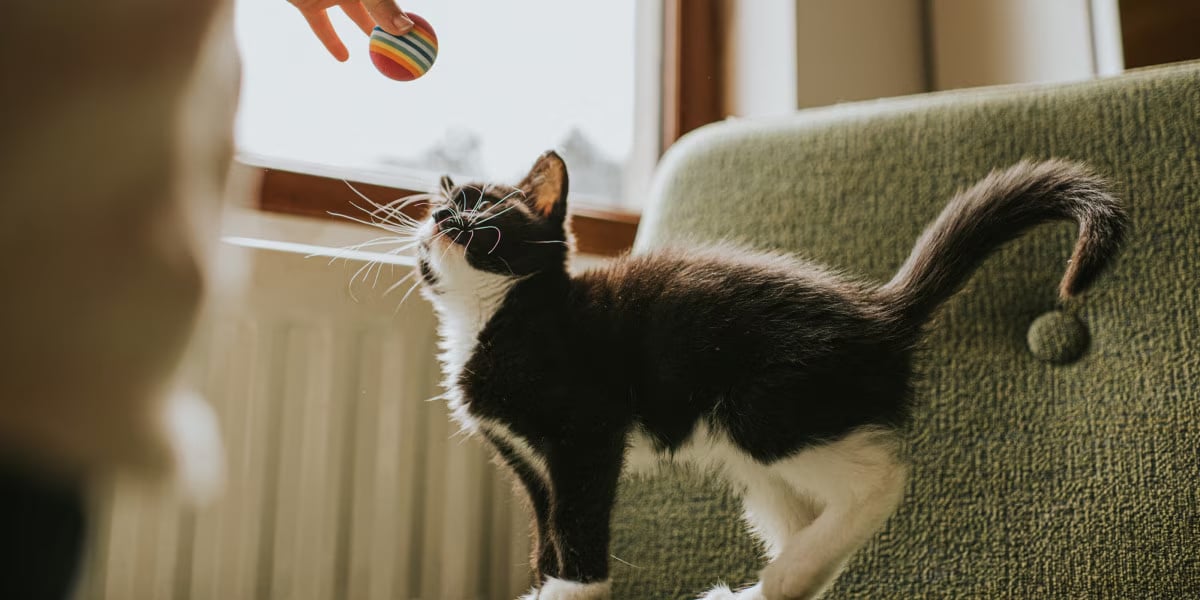
Even indoor cats retain strong predatory instincts. When they’re focused on a toy, a bug, or even birds outside the window, their tail may flick or twitch as they prepare to pounce. This movement is often subtle and rhythmic.
According to experts, tail twitching in this context signals intense concentration and anticipation.
How to recognize it:
- Eyes locked on a target
- Body low to the ground
- Slow, controlled tail flicks
What you should do:
Encourage playtime! Use toys to help your cat release this natural energy in a healthy way.

2. Excitement and Anticipation
A twitching tail doesn’t always mean something negative—it can also indicate happiness or excitement.
Cats often show excitement when they’re about to be fed, see their favorite toy, or greet their favorite human. In these moments, their tail may quiver or twitch lightly.
This behavior is similar to how humans fidget when they’re excited—it’s simply a way to release energy.
Signs of positive tail twitching:
- Upright tail position
- Relaxed ears and posture
- Purring or meowing
Tip:
If your cat approaches you with a slightly trembling tail, it’s usually a friendly greeting.
3. Mild Irritation or Annoyance
Sometimes, a twitching tail is your cat’s way of saying: “I’m getting annoyed.”
If you’re petting your cat and notice their tail flicking more sharply, it may be a warning sign. Cats can become overstimulated quickly, especially during extended petting sessions.
Fast tail flicks or side-to-side swishing often signal frustration or discomfort.
Warning signs:
- Tail flicking faster
- Ears turning backward
- Body stiffening
What to do:
Stop what you’re doing and give your cat space. Ignoring this signal can lead to scratching or biting.
4. Aggression or Defensive Behavior
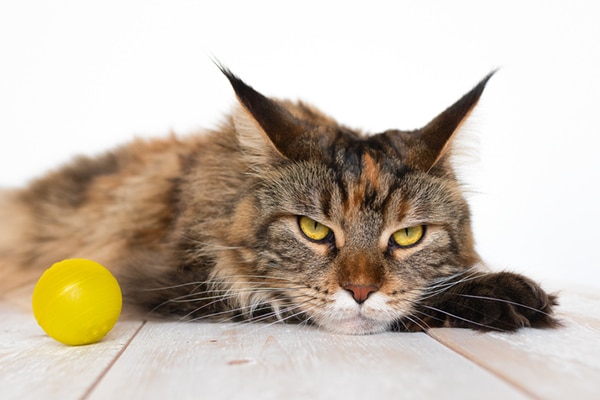
When tail twitching becomes more intense—like rapid whipping or thumping—it can signal aggression.
This type of movement is a clear message: “Back off.” Cats may also hiss, growl, or flatten their ears in this state.
Rapid tail movements are often associated with defensive or territorial behavior.
Common triggers:
- Loud noises
- Unfamiliar people or animals
- Feeling threatened
How to respond:
Avoid direct interaction. Give your cat time to calm down and remove any stressors if possible.
5. Marking Territory (Spraying Behavior)
In some cases, a twitching or quivering tail may be linked to territorial marking.
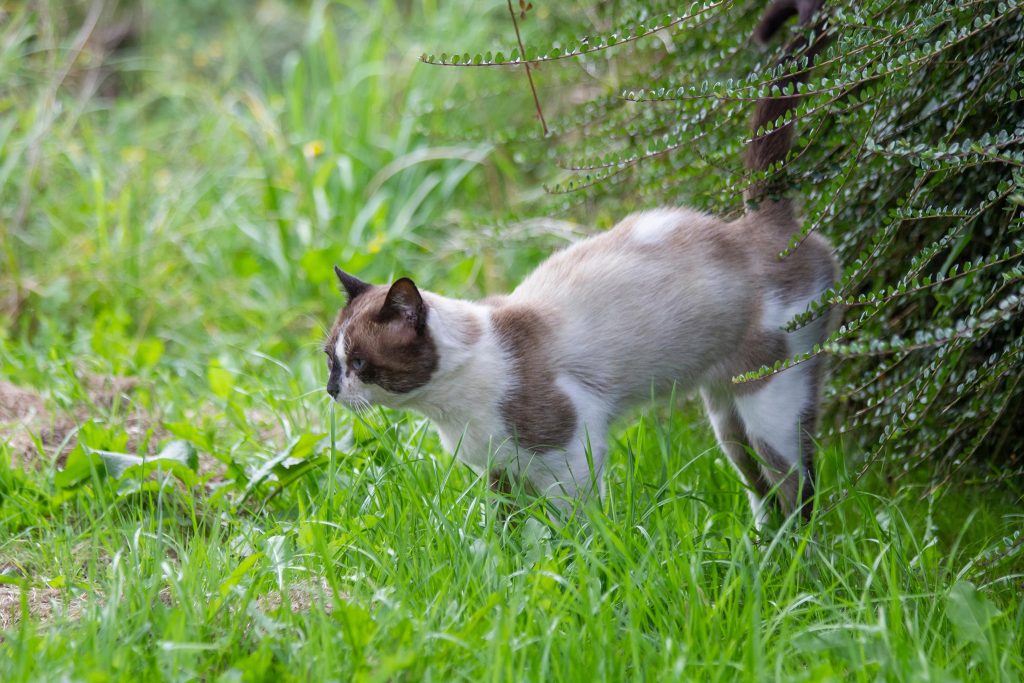
Cats—especially unneutered ones—may raise their tail upright and make a vibrating motion before spraying urine on surfaces. This behavior is more common in mature cats.
It’s a way for cats to communicate with others and establish territory.
Signs to watch for:
- Tail held straight up and vibrating
- Backing up to a surface
- Spraying small amounts of urine
Solution:
Spaying or neutering your cat can significantly reduce this behavior.
6. Feline Hyperesthesia Syndrome (Rare Case)
In rare situations, tail twitching may be linked to a medical condition called Feline Hyperesthesia Syndrome (FHS).
This condition causes extreme sensitivity along the cat’s back and can lead to unusual behaviors like:
- Skin rippling
- Tail chasing
- Sudden bursts of activity
- Excessive grooming
FHS is not fully understood but is believed to involve neurological or dermatological factors.
When to worry:
- Frequent, intense twitching episodes
- Signs of discomfort or pain
- Behavioral changes
Important:
If you suspect a medical issue, consult a veterinarian promptly.
How to Tell What Your Cat’s Tail Twitch Means
Because tail twitching has multiple meanings, context is everything.
To decode your cat’s behavior, consider:
- What is happening around them?
- What is their body posture?
- Are there other signals (ears, eyes, sounds)?
For example:
- Playing with a toy → likely excitement
- Being petted → possible irritation
- Watching prey → focused hunting
Experts emphasize that combining tail movement with overall body language gives the most accurate interpretation.
Understanding Cat Tail Language
A twitching tail is just one part of feline communication. Here are other common tail signals:
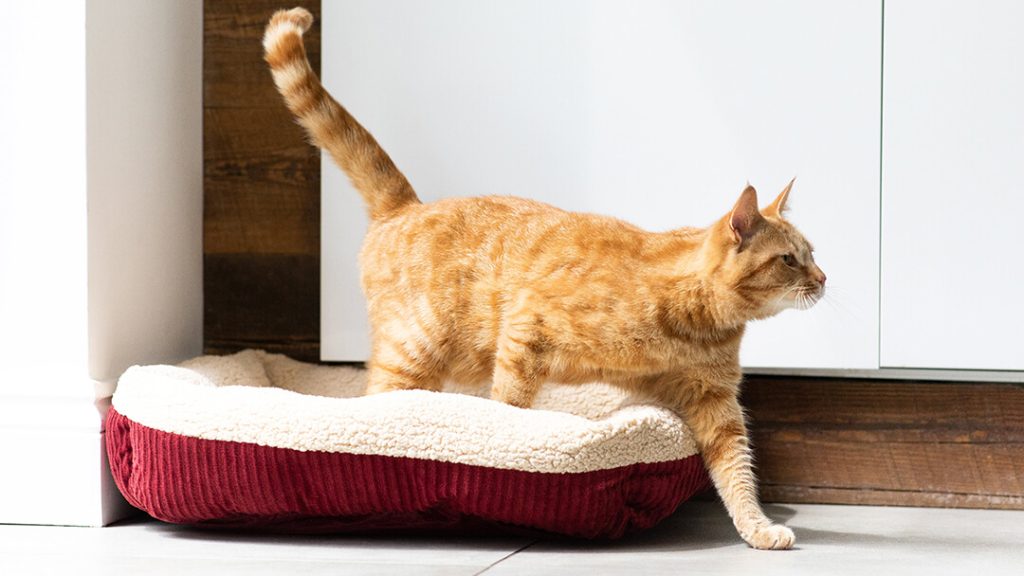
- Straight up: Happy and confident
- Puffed up: Fear or aggression
- Low or tucked: Anxiety or insecurity
- Slow swish: Focus or curiosity
- Rapid thrashing: Anger or overstimulation
Learning these signals helps you better respond to your cat’s needs and emotions.
When Should You See a Vet?
Most tail twitching is completely normal. However, you should seek veterinary advice if:
- The twitching is constant or worsening
- Your cat shows signs of pain or distress
- There are sudden behavioral changes
- Symptoms of FHS appear
Early evaluation ensures your cat stays healthy and comfortable.
Tips for Better Communication With Your Cat
Understanding your cat’s tail movements can dramatically improve your relationship. Here are some practical tips:
1. Respect their signals
If your cat shows irritation, stop interacting immediately.
2. Encourage play
Use toys to channel hunting instincts positively.
3. Observe patterns
Each cat is unique—learn what tail movements mean for your pet.
4. Create a calm environment
Reduce stressors like loud noises or unfamiliar animals.
Final Thoughts
So, why does your cat’s tail twitch?
The truth is, it depends. A twitching tail can signal excitement, focus, irritation, or even a health concern. The key is to look beyond the tail and consider the full picture—your cat’s body language, environment, and behavior.
Once you learn to read these subtle cues, you’ll gain a deeper understanding of your feline companion. And while cats may not speak our language, their tails say more than words ever could.
Leave a Reply