
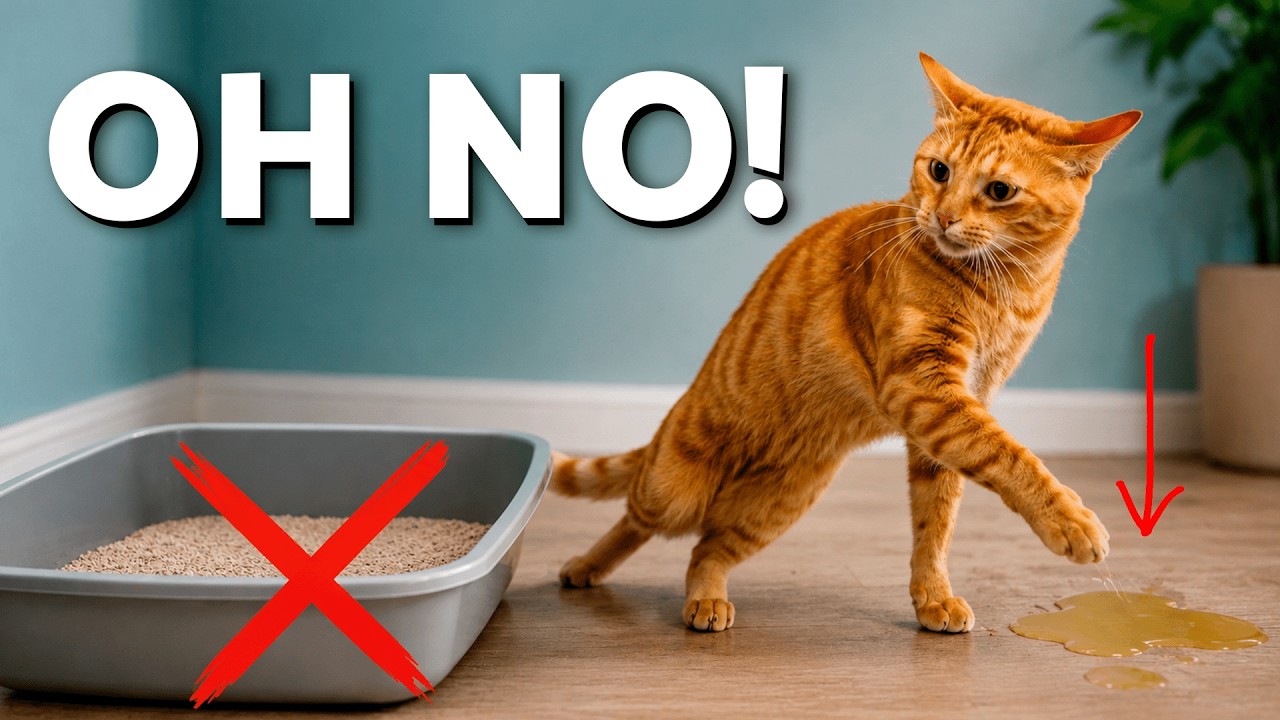
When your cat suddenly stops using litter box facilities they have relied on for years, it can be confusing and frustrating. One day, everything seems normal. The next, you discover urine on the carpet or waste beside the box.
This sudden change may signal a medical problem, stress, discomfort, or dissatisfaction with the litter box itself.
Your cat is not necessarily being stubborn. In fact, avoiding the litter box can be an early warning sign of an underlying health condition.
Before changing your cat’s routine, it is important to understand what might be causing the problem.
Here are eight common reasons cats stop using their litter boxes and practical steps you can take to help.
Is It Normal for a Cat to Suddenly Stop Using the Litter Box?
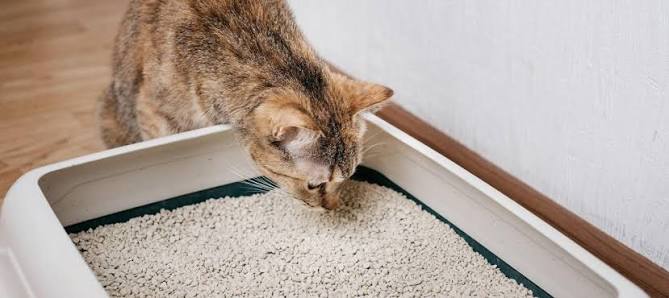
No. A sudden change in litter box habits deserves attention.
Cats usually prefer familiar places for urination and defecation. Therefore, a cat that previously used the litter box consistently may have a reason for avoiding it.
Sometimes, the problem is simple. The box may be dirty, or the litter may feel uncomfortable.
However, medical problems can also cause sudden changes.
For example, urinary tract disease may make urination painful. Constipation can also make using the litter box uncomfortable.
If your cat suddenly starts urinating or defecating outside the box, contact your veterinarian to rule out medical causes.
Most importantly, watch for signs of urinary blockage. This condition can become life-threatening very quickly.
1. Your Cat May Have a Urinary Tract Problem
Urinary problems are an important cause of sudden litter box avoidance.
Cats can develop inflammation in the bladder or other conditions that make urination painful.
As a result, your cat may begin associating the litter box with discomfort.
They may also feel a frequent urge to urinate.
Signs of urinary problems in cats
Watch for these symptoms:
- Frequent trips to the litter box
- Passing small amounts of urine
- Urinating outside the box
- Blood in the urine
- Crying while urinating
- Excessive licking around the genitals
- Straining to urinate
These signs can occur with several urinary conditions.
For example, feline idiopathic cystitis can cause bladder inflammation. Urinary stones and infections may also produce similar symptoms.
However, you cannot identify the cause from behavior alone.
When is it an emergency?
A cat that strains but produces little or no urine may have a urinary blockage. This is a medical emergency.
Male cats face a higher risk because their urethra is narrower.
However, any cat showing signs of urinary obstruction needs immediate veterinary attention.
Do not wait until the next morning.
A blocked cat may become critically ill within a short time.
2. Your Cat May Dislike the Litter
Cats can be surprisingly sensitive to the texture and smell of litter.
A small change that seems harmless to you may feel uncomfortable to your cat.
For example, you may have switched to a scented litter. Perhaps the new product produces more dust.
Your cat may decide that the box no longer feels inviting.
Common litter problems
These include:
- Strong fragrances
- Rough or unfamiliar textures
- Excessive dust
- Sudden changes in litter brands
- Too much or too little litter
- Unpleasant cleaning products
Some cats prefer fine, unscented litter.
However, individual preferences vary.
How to fix the problem
If the issue started after a litter change, consider returning to the previous product.
Alternatively, place two boxes with different litter types in quiet locations.
Then, observe which one your cat prefers.
Avoid changing several things at once. Otherwise, identifying the problem becomes difficult.
3. The Litter Box May Be Too Dirty
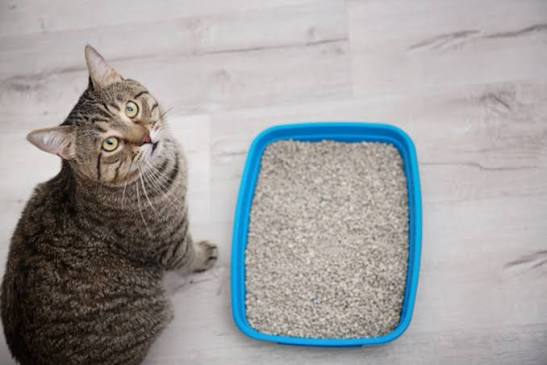
Cats often prefer clean places to eliminate waste.
If their litter box becomes dirty, some cats begin avoiding it.
This can happen when waste accumulates or unpleasant odors develop.
Additionally, a box that looks acceptable to you may still smell unpleasant to your cat.
Signs your cat dislikes a dirty box
Your cat may:
- Hesitate before entering
- Sniff the box and walk away
- Urinate beside the box
- Choose a cleaner location
- Use the box only occasionally
How often should you clean a litter box?
Scoop waste at least once daily. Some households may need to scoop more often.
Also, replace litter and wash the box regularly.
The cleaning schedule depends on the litter type and the number of cats.
Use mild, unscented cleaning products when possible.
Avoid strong fragrances that may discourage your cat from returning.
4. Stress or Anxiety May Be Affecting Your Cat
Cats often feel safest when their environment stays predictable.
Therefore, changes at home can affect their behavior.
A new pet, unfamiliar visitor, or household move may create stress.
Even changes in daily routines can affect sensitive cats.
Common stress triggers
Possible causes include:
- Moving to a new home
- Introducing another pet
- Bringing home a baby
- Loud noises
- Home renovations
- Changes in feeding schedules
- Conflict with other cats
- Changes in household members
Some cats respond to stress by hiding.
Others may develop changes in appetite, grooming, or litter box habits. Stress can also cause other behavioral changes, including sudden hiding. If your cat has recently become more withdrawn, read our guide on why your cat suddenly hides under the bed to understand other possible causes.
How to help a stressed cat
First, create a calm and predictable environment.
Provide quiet resting areas and safe hiding places.
Next, keep feeding and playtime routines consistent.
Make sure your cat can reach the litter box without encountering another pet.
If the problem continues, speak with your veterinarian.
Stress may contribute to urinary disease, so medical evaluation remains important.
5. Your Cat May Have Pain or Mobility Problems
Sometimes, cats avoid the litter box because entering it hurts.
This problem often affects older cats.
However, younger cats can also develop injuries or painful conditions.
For example, arthritis may make stepping over a high litter box wall difficult.
A cat with back pain may also struggle to squat comfortably.
Signs your cat may be in pain
Look for:
- Difficulty jumping
- Stiffness after resting
- Slower movement
- Avoiding stairs
- Changes in grooming
- Reluctance to enter the litter box
- Unusual posture
Cats often hide discomfort.
Therefore, even subtle changes deserve attention.
How to help
Choose a litter box with a low entrance.
Place it somewhere easy to reach.
Also, avoid making your cat climb stairs to reach the box.
If you suspect pain, arrange a veterinary examination.
Treating the underlying condition may improve your cat’s litter box habits.
6. Your Cat May Dislike the Litter Box Location
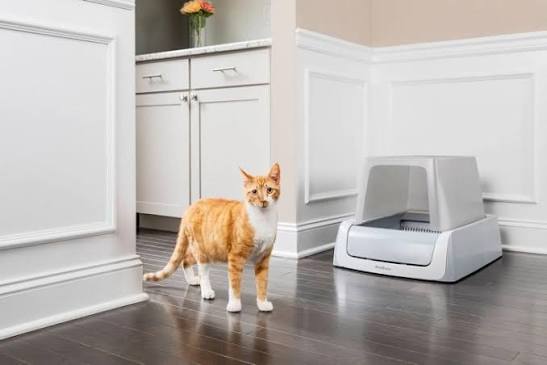
Location matters more than many owners realize.
Cats generally prefer a quiet, accessible place where they feel safe.
However, some litter boxes sit beside noisy washing machines or busy hallways.
Others are hidden in areas that are difficult to reach.
Your cat may avoid these locations because they feel uncomfortable or unsafe.
Common location problems
Examples include:
- Loud appliances nearby
- Heavy foot traffic
- Poor access
- Another pet blocking the entrance
- A box placed too close to food
- A dark or frightening area
Where should you place the litter box?
Choose a quiet location with easy access.
Avoid placing the box beside loud appliances.
Also, make sure your cat has a clear route to enter and leave.
In larger homes, provide litter boxes on different floors.
For senior cats, keep at least one box near their main resting area.
7. Your Cat May Be Having Problems With Other Cats
Living with multiple cats can create litter box challenges.
Even cats that usually get along may compete for important resources.
For example, one cat may block another from entering the litter box.
Sometimes, the behavior is subtle.
A cat may simply sit near the entrance and make another cat uncomfortable.
As a result, the less confident cat may begin eliminating elsewhere.
Signs of litter box conflict
Watch for:
- One cat guarding the box
- Chasing near the litter area
- Hissing or staring
- A cat waiting until another leaves
- One cat avoiding shared spaces
- Accidents in quiet rooms
How many litter boxes do cats need?
A useful starting point is one litter box per cat, plus one extra.
For example:
| Number of Cats | Suggested Litter Boxes |
|---|---|
| 1 | 2 |
| 2 | 3 |
| 3 | 4 |
| 4 | 5 |
However, the number alone is not enough.
Place the boxes in separate, accessible locations.
Several boxes sitting side by side may still feel like one shared resource.
8. Your Cat May Have Digestive Problems or Constipation
Not every litter box problem involves urination.
Some cats begin defecating outside the box because of digestive discomfort.
For example, constipation can make passing stool painful.
Diarrhea may also create sudden urgency.
As a result, your cat may not reach the box in time.
Warning signs of digestive problems
Look for:
- Straining to pass stool
- Hard or dry feces
- Frequent diarrhea
- Reduced appetite
- Vomiting
- Abdominal discomfort
- Defecating outside the box
However, straining can be difficult to interpret.
A cat that appears constipated may actually be struggling to urinate.
If your cat repeatedly strains without producing urine, seek emergency veterinary care.
What should you do?
Contact your veterinarian if your cat develops constipation, persistent diarrhea, or painful bowel movements.
Avoid giving human laxatives or enemas without veterinary instructions.
Some products are dangerous for cats.
Is Your Cat Spraying or Avoiding the Litter Box?
These behaviors can look similar, but they are not always the same.
Cats may urinate outside the litter box because of illness, stress, or box-related problems.
However, urine marking is a different behavior.
Signs of urine marking
A cat that sprays may:
- Stand near a vertical surface
- Raise its tail
- Release a small amount of urine
- Mark walls, furniture, or doors
Urine marking can occur in both male and female cats.
It may be associated with territorial concerns, social conflict, or stress.
Signs of inappropriate urination
A cat that urinates outside the box may:
- Squat on a horizontal surface
- Leave a larger puddle
- Choose carpets or bedding
- Repeatedly return to one location
However, these patterns are not enough to rule out medical problems.
Cats that spray can also have urinary disease.
Therefore, sudden changes still require veterinary evaluation.
How to Get Your Cat to Use the Litter Box Again
Once you understand the possible causes, you can begin helping your cat.
The best approach combines medical care with a comfortable environment.
Step 1: Rule out medical problems
Start with a veterinary examination.
Your veterinarian may recommend a urine test, physical examination, or additional testing.
This is especially important when the behavior begins suddenly.
Step 2: Clean the litter box regularly
Scoop waste at least once daily.
Replace litter as needed.
Also, wash the box with a mild, unscented cleaner.
A clean box is more inviting.
Step 3: Choose comfortable litter
Many cats prefer unscented litter with a soft texture.
If you recently changed brands, consider returning to the previous one.
Make changes gradually when possible.
Step 4: Improve the location
Place the box in a quiet, accessible area.
Avoid loud appliances and crowded spaces.
Make sure other pets cannot block access.
Step 5: Provide enough litter boxes
For multiple cats, start with one box per cat plus one extra.
Spread them throughout the home.
This helps reduce competition.
Step 6: Clean accidents properly
Use an enzymatic cleaner designed for pet urine.
These products help remove odor that may encourage repeated marking.
Avoid ammonia-based cleaners because their smell may resemble urine.
Step 7: Never punish your cat
Punishment can increase fear and stress.
It also fails to address the underlying cause.
Instead, focus on medical care, cleanliness, and environmental improvements.
Why Does Your Cat Pee Outside the Litter Box but Poop Inside?
Some cats use the litter box for bowel movements but urinate elsewhere.
This behavior can have several explanations.
For example, your cat may associate urination with pain.
They may also dislike the litter texture or prefer a different location.
In multi-cat homes, social conflict may contribute.
Additionally, some cats prefer separate boxes for urination and defecation.
However, sudden changes in urination should always raise concern about urinary disease.
Contact your veterinarian before assuming the behavior is simply a preference.
Why Does Your Cat Poop Outside the Litter Box but Pee Inside?
This pattern may involve digestive discomfort, constipation, or litter box preferences.
For example, a cat with arthritis may find the posture required for defecation uncomfortable.
A small litter box may also make turning and positioning difficult.
Additionally, some cats prefer separate places for urine and stool.
Try providing a larger, uncovered box in a quiet location.
However, arrange a veterinary examination if the behavior begins suddenly or continues.
When Should You Worry About Litter Box Problems?
A sudden change deserves attention, even if your cat otherwise seems healthy.
Contact your veterinarian if your cat:
- Suddenly stops using the litter box
- Urinates outside the box repeatedly
- Develops diarrhea or constipation
- Shows signs of pain
- Has blood in the urine
- Drinks more water than usual
- Changes its appetite
- Becomes unusually withdrawn
Emergency warning signs
Seek emergency veterinary care if your cat:
- Repeatedly strains but produces little or no urine
- Cries while attempting to urinate
- Cannot urinate normally
- Becomes weak or collapses alongside urinary symptoms
Urinary obstruction can be fatal without rapid treatment.
Do not try to manage a suspected blockage at home.
Common Mistakes Owners Make
Litter box problems can be frustrating.
However, certain reactions may make them worse.
Punishing the cat
Shouting or punishment may increase anxiety.
Instead, identify the cause.
Changing litter too often
Frequent changes can confuse sensitive cats.
Choose a suitable product and keep the routine consistent.
Using strong cleaning products
Powerful fragrances may discourage litter box use.
Choose mild, unscented products.
Ignoring medical symptoms
Sudden accidents may indicate illness.
Therefore, don’t assume the behavior is intentional.
Providing too few litter boxes
Cats may avoid shared boxes, especially in multi-cat homes.
Additional boxes can reduce competition.
Frequently Asked Questions
Why is my cat suddenly peeing outside the litter box?
Possible causes include urinary disease, stress, pain, dirty litter, or an unsuitable box location. A veterinary examination can help rule out medical problems.
Why is my cat pooping outside the litter box?
Constipation, diarrhea, pain, stress, and litter box preferences may contribute. Sudden or persistent changes deserve veterinary attention.
Can stress make cats stop using the litter box?
Yes. Stress can affect litter box behavior. However, medical conditions may cause similar changes, so don’t assume stress is the only reason.
Do cats stop using the litter box out of spite?
There is no good evidence that cats deliberately eliminate outside the box to punish their owners. Medical problems, stress, and environmental factors offer more useful explanations.
Will my cat start using the litter box again?
Many cats improve once the underlying cause is addressed. However, recovery depends on the medical or behavioral problem involved.
Should I change my cat’s litter?
If the problem began after a litter change, returning to the previous product may help. Otherwise, avoid unnecessary changes until you understand the cause.
Can older cats forget how to use the litter box?
Older cats may struggle because of arthritis, cognitive changes, or illness. However, sudden litter box avoidance should not simply be blamed on aging.
How long should I wait before calling the vet?
Contact your veterinarian when your cat suddenly develops litter box problems. If your cat strains and cannot pass urine, seek emergency care immediately.
Final Thoughts: Your Cat Is Not Trying to Upset You
You know your cat’s habits better than anyone.
You know where they like to sleep, which toys they prefer, and how they behave when they feel comfortable.
That’s why a sudden change in litter box habits can feel so confusing.
One day, everything seems normal. The next, your cat begins avoiding a place they have used for years.
It’s easy to feel frustrated when you find another accident on the carpet.
However, your cat may be dealing with something you cannot see.
Perhaps urination has become painful. Maybe another pet makes the litter box feel unsafe. Or perhaps your cat simply struggles to enter the box because of stiff joints.
Whatever the reason, punishment will not help them feel better.
Instead, pay attention to the change. Look for warning signs, arrange veterinary care when needed, and make their environment more comfortable.
Your cat may not be able to explain what is wrong. But a sudden change in their behavior may be the clearest signal they can give you.
Sometimes, helping your cat begins with one simple decision: choosing to understand the problem instead of blaming them for it.
Leave a Reply