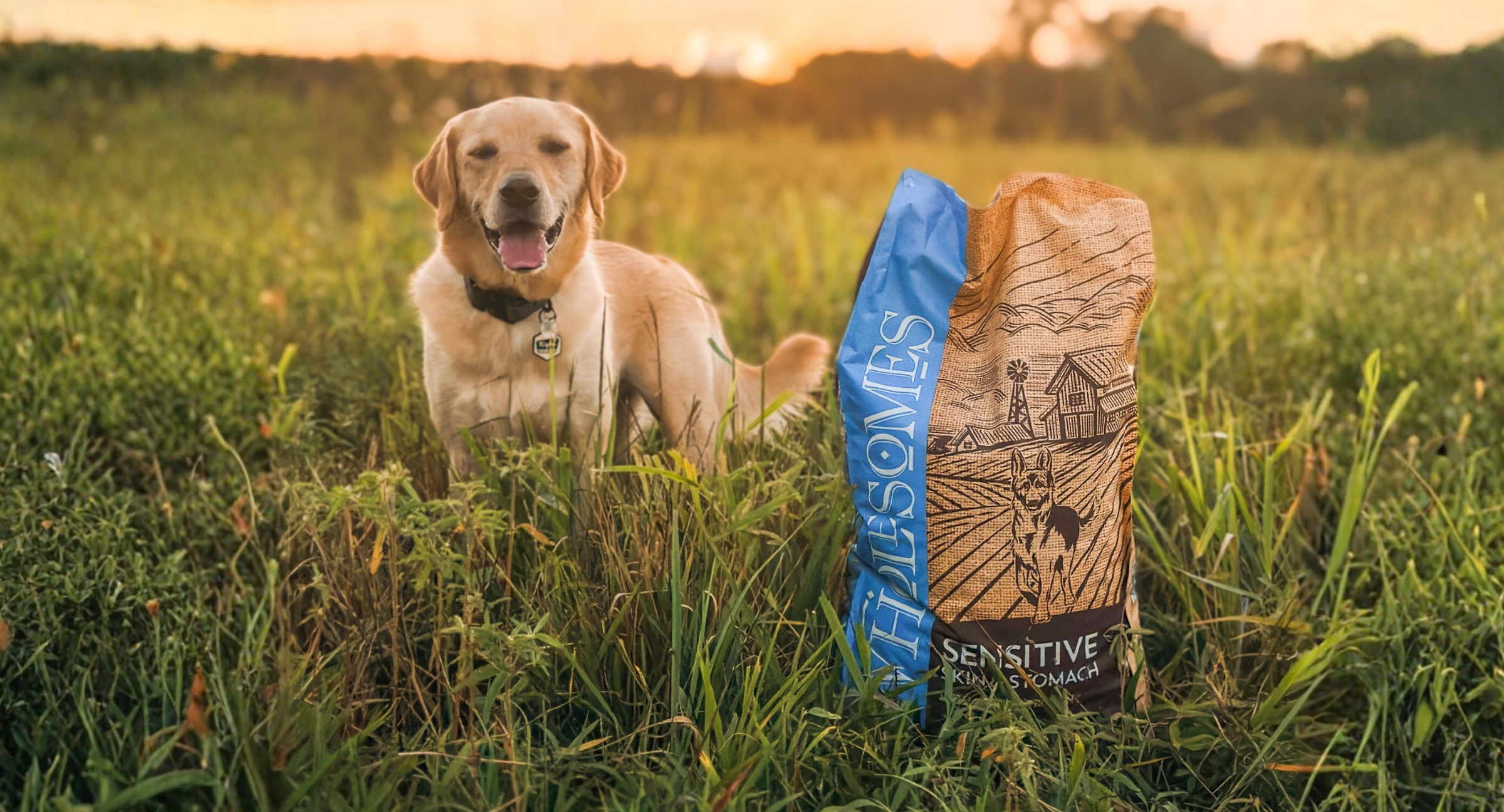
When your dog starts scratching nonstop, licking their paws, or dealing with constant tummy troubles, it’s more than just a minor annoyance—it’s a sign something deeper may be going on. According to expert insights from Dogster, skin and digestive health are closely connected, and understanding this relationship is key to improving your dog’s overall well-being.
This comprehensive guide breaks down everything pet parents need to know—from identifying warning signs to choosing the right nutrition plan—to help your dog thrive from the inside out.
Why Skin and Gut Health Are Connected
Your dog’s body is more interconnected than you might think. One of the most important relationships is the “gut-skin axis,” which links digestive health directly to skin condition.
When your dog’s gut becomes irritated—due to poor-quality food, allergens, or intolerances—it often shows up externally as itchy skin, redness, or dull fur.
The reason? The gut houses a complex ecosystem of bacteria called the microbiome. A balanced microbiome supports immune function, while an imbalance can trigger inflammation that affects the skin.
In fact, research shows that a large portion of a dog’s immune system is rooted in the gut, meaning digestive health influences nearly every aspect of their body—including their coat and skin.

Food Allergies vs. Food Intolerances
Not all food-related issues are the same. Understanding the difference can help you choose the right solution.
Food Allergies
Food allergies involve the immune system. When your dog eats a certain ingredient, their body mistakenly treats it as harmful, triggering reactions such as:
- Itchy skin and paws
- Ear infections
- Vomiting or diarrhea
- Chronic inflammation
Food Intolerances
Food intolerances, on the other hand, are digestive issues—not immune responses. These occur when your dog’s system struggles to process certain ingredients.
Common symptoms include:
- Gas and bloating
- Loose stool
- Stomach discomfort
Both conditions fall under “food sensitivities,” and both can negatively impact your dog’s quality of life if left unaddressed.
Signs Your Dog May Have Skin or Gut Issues
Dogs can’t tell us when something’s wrong, but their behavior speaks volumes. Watch for these common warning signs:
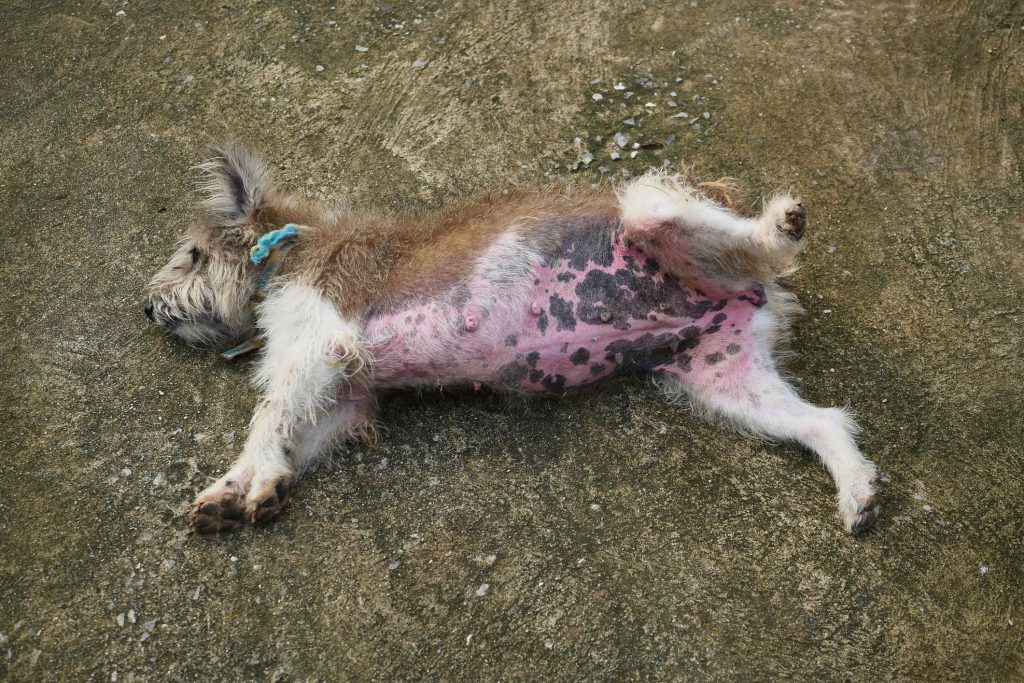
1. Constant Scratching or Hair Loss
Excessive scratching is often the first red flag. You might notice bald patches, flaky skin, or redness caused by repeated irritation.
2. Ongoing Digestive Problems
Frequent diarrhea, vomiting, or gas isn’t normal. If these symptoms persist for more than a day or two, it could point to a deeper issue.
3. Recurring Ear Infections
Ear infections that keep coming back may be linked to food sensitivities rather than environmental causes.
4. Hot Spots
These are red, inflamed patches caused by excessive licking or chewing. They can worsen quickly and often signal underlying dietary problems.
5. Behavioral Changes
A dog in discomfort may become lethargic, irritable, or lose interest in food.
If you notice multiple symptoms at once, it’s time to consult a veterinarian.
What Happens If You Ignore the Problem?
Food sensitivities don’t just go away on their own. Ignoring them can lead to long-term health issues.
One major concern is damage to the intestinal lining, sometimes referred to as “leaky gut.” This allows harmful substances to enter the bloodstream, worsening inflammation and triggering more severe reactions.
Over time, a weakened immune system can make your dog more vulnerable to infections, slow healing, and overall poor health.
The takeaway? Early action makes a huge difference.
Key Nutrients for Healthy Skin and Gut
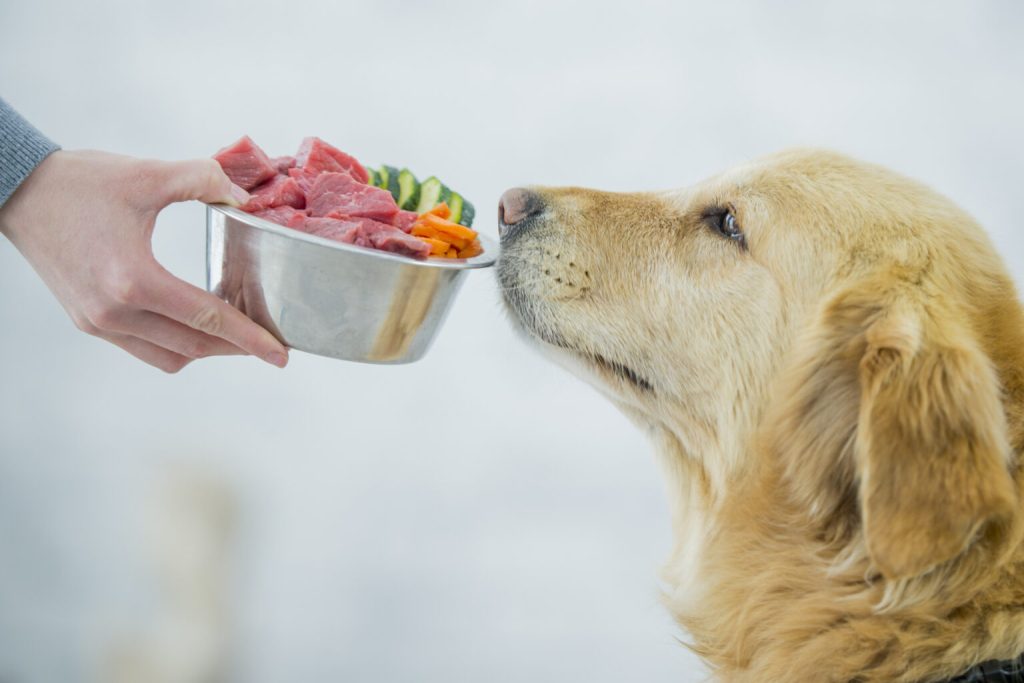
The right diet is the foundation of your dog’s health. Here’s what to look for:
1. High-Quality Protein
Protein is essential for muscle, immune function, and skin health.
Look for easily digestible options like:
- Salmon
- Lamb
- Turkey
These proteins are less likely to trigger sensitivities and are easier on the digestive system.
2. Omega-3 Fatty Acids
Omega-3s are powerful anti-inflammatory nutrients that help:
- Reduce itching
- Improve coat shine
- Support skin hydration
They’re commonly found in fish oil and flaxseed.
3. Digestible Carbohydrates
Carbs provide energy and support digestion when sourced properly.
Good options include:
- Rice
- Sweet potatoes
- Oats
These are easier to digest and less likely to upset the stomach.
4. Fiber
Fiber helps regulate digestion and supports beneficial gut bacteria.
Ingredients like beet pulp and flaxseed promote smoother digestion and healthier stools.
5. Vitamins and Minerals
Essential nutrients like Vitamin E, zinc, and biotin support skin repair and coat health.
Ingredients to Avoid
Some ingredients are more likely to cause problems, especially in sensitive dogs.
Try to limit or avoid:
- Beef, dairy, chicken, and eggs (common allergens)
- Corn and soy
- Artificial additives and preservatives
Always read labels carefully and prioritize high-quality, clearly labeled ingredients.
How Digestibility Impacts Your Dog’s Health
It’s not just what your dog eats—it’s what they absorb.
High-quality dog foods typically have digestibility rates above 80%, meaning your dog can effectively use the nutrients.
When food is easy to digest:
- The gut experiences less stress
- Nutrient absorption improves
- Skin and coat health naturally get better
In simple terms, better digestion equals better overall health.
Switching to a Sensitive Diet
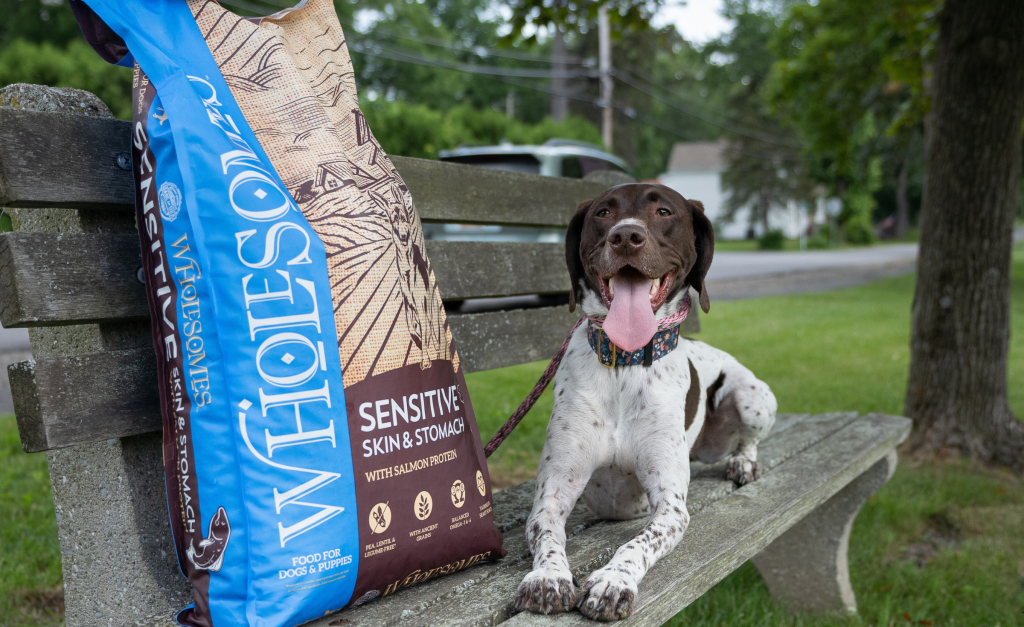
If your dog shows signs of food sensitivity, switching to a specialized diet can make a big difference.
These diets are designed to:
- Reduce inflammation
- Support gut balance
- Improve skin condition
Transition Tips
Never switch food abruptly. Instead:
- Gradually mix new food with old food over 7–10 days
- Monitor your dog’s reaction
- Adjust portions as needed
This helps prevent additional digestive upset during the transition.
The Role of the Gut Microbiome
Your dog’s gut is home to trillions of bacteria that influence everything from digestion to immunity.
A healthy microbiome:
- Strengthens the immune system
- Reduces inflammation
- Supports skin health
An unhealthy one can lead to chronic issues, including allergies and digestive disorders.
Adding prebiotics and probiotics to your dog’s diet can help maintain this balance.
When to See a Veterinarian
While dietary changes can help, some situations require professional care.
Contact your vet if your dog:
- Has symptoms lasting more than 48 hours
- Shows signs of pain or fatigue
- Has blood in stool or vomit
- Stops eating or drinking
A vet can rule out infections, parasites, or other serious conditions before recommending a nutrition plan.
Final Thoughts: A Healthier Dog Starts from Within
Your dog’s skin and gut health are deeply connected, and both depend heavily on proper nutrition.
By recognizing early signs of food sensitivities and choosing high-quality, digestible ingredients, you can:
- Reduce discomfort
- Improve coat quality
- Boost overall health
The key is consistency and awareness. Small changes in diet can lead to big improvements in your dog’s happiness and well-being.
At the end of the day, a healthy gut doesn’t just mean better digestion—it means a healthier, more energetic, and more comfortable life for your furry best friend.
Leave a Reply