
You stand in the kitchen and call your cat’s name.
Nothing.
You call again.
One ear turns toward you from the sofa, but your cat doesn’t move.
Then you open a bag of treats.
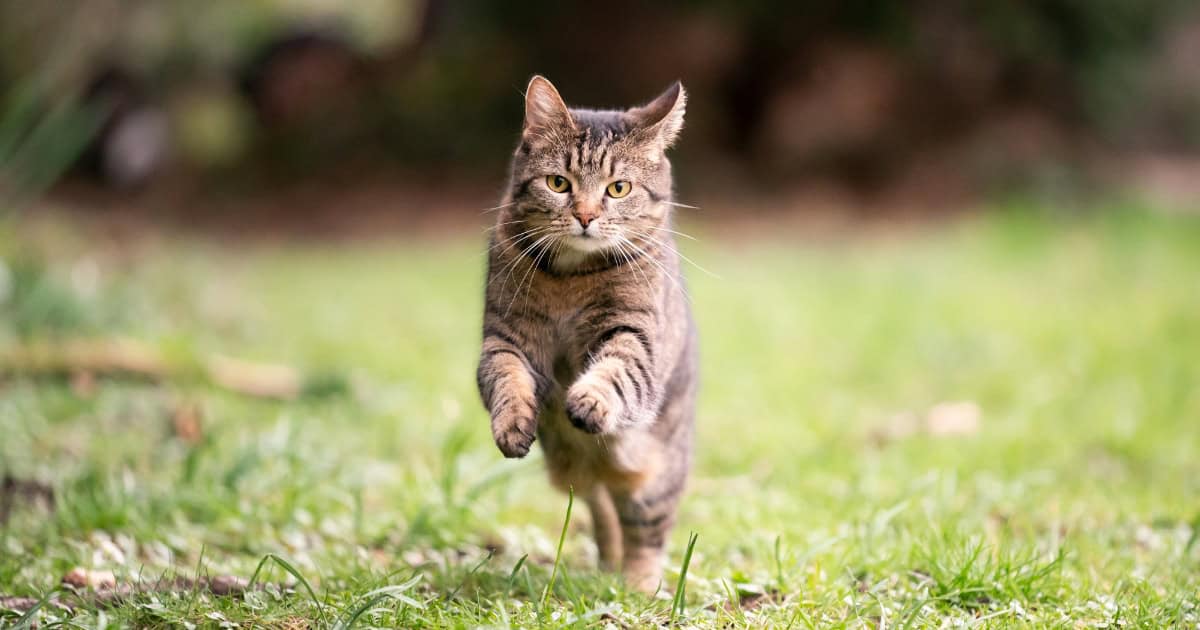
Suddenly, the same animal that appeared unable to hear you comes running across the house.
It raises an interesting question: Can you actually train a cat to come when called, or do cats simply respond when there’s something in it for them?
The answer is more encouraging than many cat owners expect.
Cats can learn to respond to specific sounds, words, and routines. With consistent positive reinforcement, many cats can also learn a useful recall cue.
The secret isn’t forcing your cat to obey.
It’s teaching your cat that coming to you predicts something worth coming for.
Do cats actually understand when you call them?
Before teaching recall, we need to separate two different questions.
Does your cat recognize the sound you’re using?
And does your cat choose to respond?
Those aren’t the same thing.
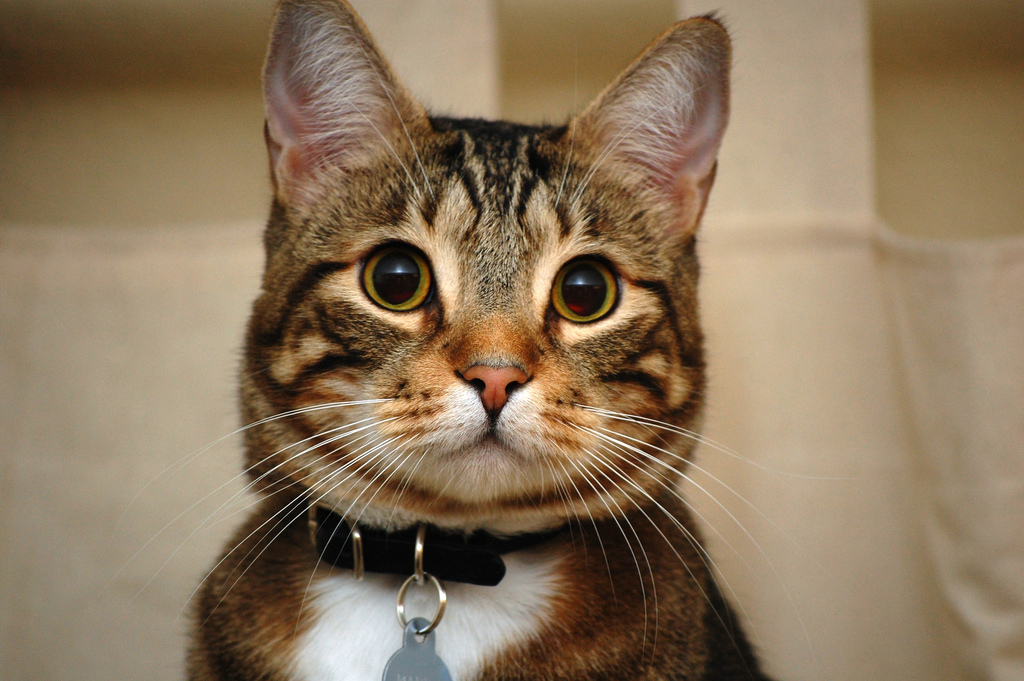
Research published in Scientific Reports found evidence that domestic cats can distinguish their own names from other words. Researchers observed subtle responses such as ear, head, tail, or body movement. Cats didn’t necessarily walk toward the speaker every time.
That distinction explains something many owners see every day.
Your cat may hear its name perfectly well while lying across the room. It may even recognize that particular sound as relevant to itself.
But recognition doesn’t automatically mean:
“I must walk over there now.”
We’ve explored this distinction more closely in Does Your Cat Actually Know Its Name, or Just Your Voice?.
The next step is giving your cat a reason to respond.
Yes, cats can be trained
Cats sometimes get labeled as “untrainable” because they don’t usually respond to human commands in the same way many dogs do.
But that doesn’t mean cats can’t learn.
They learn constantly.
Your cat may already know that the refrigerator opening can mean food. It may recognize the sound of a treat bag. It may appear when you open a tuna can or disappear when it sees the carrier.
Those behaviors demonstrate a basic learning principle:
Cats form associations between events and their consequences.
Training uses the same ability deliberately.
If coming toward you repeatedly leads to something your cat values, coming toward you becomes more worthwhile.
Why food works so well for cat training

Imagine calling your cat twenty times during the day.
Most of those calls lead to nothing interesting.
Sometimes you pick the cat up. Sometimes you trim its nails. Sometimes you put it into the carrier.
Your cue isn’t predicting anything particularly rewarding.
Now imagine something different.
You make one distinctive sound.
Your cat looks at you.
You immediately offer a tiny piece of something it loves.
You repeat the process later.
Eventually, that sound begins to predict a reward.
That’s the foundation of recall training.
Food can be especially useful because it allows you to deliver a small reward immediately after the desired behavior.
We explain this principle in more detail in Can Food Really Make Your Cat Listen to You More?.
However, timing matters just as much as the reward itself.
Step 1: Choose one recall cue
Start with a simple cue and keep it consistent.
You could use:
“Come!”
Or:
“Here!”
You can also use your cat’s name followed by a cue.
For example:
“Milo, come!”
Some owners prefer a distinctive whistle or another short sound.
The exact word matters less than consistency.
If one person says “come,” another says “come here,” and someone else repeatedly shouts the cat’s name, the signal becomes less clear.
Choose one cue and make sure everyone in the household uses it consistently.
Step 2: Start when your cat is already close
Don’t begin by calling your cat from another floor of the house.
Make the first lesson extremely easy.
Stand only a short distance away.
Say the recall cue once.
If your cat moves toward you, immediately reward it.
At first, even a small movement in the right direction can be useful. As your cat begins to understand the game, reward it for coming all the way to you.
The goal during these early sessions is simple:
Cue → cat comes → reward.
Keep that sequence clear.
Step 3: Use a reward your cat genuinely wants
Not every cat cares equally about every treat.
One cat may run across the house for a commercial cat treat. Another may prefer a tiny piece of its normal wet food. Another may respond better to play with a favorite toy.
The reward must matter to your cat.
This is where owners sometimes make training unnecessarily difficult.
They choose a reward that the cat considers mediocre and then conclude that the cat cannot be trained.
Try different safe rewards and observe which one produces the strongest response.
Some cats are especially excited by fish. However, tuna should remain an occasional food rather than becoming a major part of the diet. If your cat goes wild when a can opens, see Why Do Cats Go Crazy for Tuna, and Is Too Much Bad for Them?.
Whatever food you choose, keep portions tiny.
You’re rewarding behavior, not serving another dinner.
Step 4: Reward your cat immediately
Timing is one of the most important parts of training.
Suppose your cat comes when called.
Then you walk into the kitchen, search through a cabinet, open a package, and finally deliver the treat 30 seconds later.
Your cat may have difficulty connecting the reward with the exact behavior you wanted.
Instead, have the reward ready.
Call your cat.
When it reaches you, reward it immediately.
This makes the association much clearer.
A clicker can also be useful. The click marks the exact moment the desired behavior occurs, followed by a reward.
However, you don’t need a clicker to begin.
Good timing and consistency are enough.
Step 5: Keep training sessions short
Cats generally don’t need long training sessions.
In fact, shorter sessions can be more effective.
Try several successful repetitions, then stop.
You want your cat to finish the session while it is still interested.
Training for too long can make the reward less exciting and the exercise less enjoyable.
A few minutes at a time is enough for many cats.
You can practice again later.
Step 6: Slowly increase the distance
Once your cat reliably comes from a few feet away, increase the difficulty.
Move farther across the room.
Then try calling from another nearby room.
Later, practice when your cat isn’t already watching you.
Don’t increase distance too quickly.
If your cat consistently stops responding, you’ve probably made the exercise too difficult too soon.
Move closer and create several easy successes again.
Training should build gradually.
Step 7: Add distractions only after your cat understands the cue
A quiet living room is easy.
A room with another cat, an interesting window, food on the counter, or a favorite toy is much harder.
Therefore, don’t expect the same response immediately.
Once your cat reliably understands the recall cue in a quiet environment, introduce mild distractions.
Reward successful responses generously.
Then gradually make the situation more challenging.
This process helps your cat learn that the cue matters in more than one situation.
Don’t repeat the cue ten times
This is one of the most common recall-training mistakes.
You say:
“Come.”
Nothing happens.
So you say:
“Come. Come! Come! COME!”
Eventually, your cat walks over.
What did it learn?
Potentially, that the first cue doesn’t matter.
Instead, say the cue once.
Give your cat a moment to respond.
If it doesn’t come, make the next attempt easier. Reduce the distance or practice when there are fewer distractions.
The goal is to make the first cue meaningful.
Never punish your cat after it comes to you
Imagine that your cat has escaped into another room.
You’re frustrated.
You call it.
Eventually, it comes.
Then you scold it.
From your perspective, you’re punishing what happened before the recall.
Your cat may form a much simpler association:
I came to the human, and something unpleasant happened.
That is exactly the opposite of what recall training needs.
Whenever possible, coming to you should lead to something positive.
Even when you’re annoyed.
Be careful about calling your cat only for unpleasant things
Consider what happens if you use the recall cue only when it’s time for:
- Nail trimming
- Medication
- Bathing
- Going into the carrier
- Ending playtime
Your cat may quickly learn that coming to you predicts something it would rather avoid.
Instead, call your cat during ordinary moments too.
Reward it.
Give it affection if it enjoys being touched.
Play for a moment.
Then let it leave.
This prevents the cue from becoming a warning signal.
Does your cat have to receive food every single time?
At the beginning, frequent reinforcement makes learning easier.
Once the behavior becomes reliable, you can gradually vary the rewards.
Sometimes offer a treat.
Sometimes provide play.
Sometimes give affection if your cat enjoys it.
Occasionally provide a particularly valuable reward.
However, don’t eliminate reinforcement too quickly.
Think about your own behavior.
If an action never produces anything worthwhile anymore, your motivation to perform it may decrease.
Cats aren’t so different in that respect.
Can you use your cat’s name as the recall cue?
You can, but there’s a potential problem.
Most owners say their cat’s name constantly.
“Luna.”
“Luna, stop.”
“Where’s Luna?”
“Hi, Luna.”
“Luna, dinner!”
The name appears in many different situations.
A separate recall cue can therefore be clearer.
Your cat’s name can get its attention, while another word tells it what behavior you want.
For example:
“Luna, come!”
Name = pay attention.
Come = move toward me.
This also fits what research suggests about feline name recognition. A cat may distinguish its name without automatically treating that sound as an instruction to approach.
What if your cat only comes when it sees the treat?
That’s normal at first.
However, you don’t want to accidentally teach:
“Come only when the human is visibly holding chicken.”
Keep the reward hidden.
Give the cue first.
Let the cat perform the behavior.
Then produce the reward.
The treat should be the consequence, not always the bribe shown in advance.
Over time, this helps the verbal or auditory cue itself become meaningful.
What if your cat ignores you completely?
Don’t immediately conclude that your cat is stubborn.
Look at the situation.
Is the reward valuable enough?
Is the cat distracted?
Did you increase the distance too quickly?
Have you repeated the cue so often that it has become background noise?
Is your cat already full?
Does coming to you usually predict something unpleasant?
There can also be physical reasons for a change in responsiveness.
If a cat that previously responded to familiar sounds suddenly stops reacting, especially alongside other behavioral or physical changes, discuss it with your veterinarian. Hearing changes, pain, illness, stress, or other problems may affect behavior.
Training works best when you ask:
“Why isn’t this behavior rewarding or easy enough yet?”
rather than:
“Why won’t my cat obey me?”
Can recall training help in an emergency?
Potentially, yes.
A strong recall cue can be useful if your cat approaches an open door, enters a room it shouldn’t be in, or needs to move away from something unsafe.
However, recall training should never replace physical safety measures.
Don’t test your cat’s recall near traffic or other dangerous environments.
Likewise, keep hazardous substances securely stored rather than relying on a verbal cue to stop your cat from investigating them.
Our guide to What Everyday Household Items Can Be Toxic to Cats? covers common hazards worth removing from your cat’s reach.
Training is an extra layer of safety.
It isn’t a substitute for prevention.
How long does it take to train a cat to come?
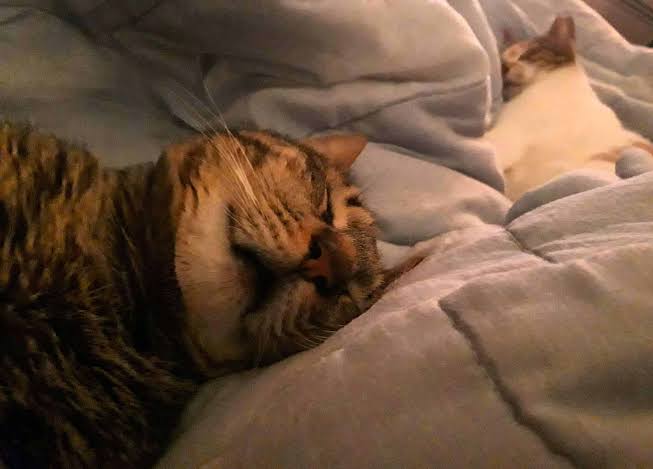
There is no universal timeline.
Some cats understand the basic association very quickly. Others need more repetition.
Age, temperament, previous experience, environment, motivation, and reward value can all affect progress.
More importantly, there’s a difference between:
Understanding the cue
and
responding reliably despite distractions.
Your cat may understand “come” after several short sessions but still ignore it when watching a bird through the window.
That’s not necessarily failure.
It means the distraction is currently more rewarding than responding to you.
Continue practicing gradually.
The goal isn’t to make your cat obedient
This is where cat training becomes especially interesting.
You aren’t trying to turn your cat into a dog.
You aren’t trying to dominate it.
And you aren’t proving that you’re “in charge.”
You’re building a predictable communication system.
Your cat learns:
When I hear this sound and go to my person, good things happen.
You learn how your cat responds to rewards, timing, distance, and distractions.
That relationship can extend far beyond recall.
The same principles can help teach a cat to enter a carrier, touch a target, sit on a mat, tolerate handling, or perform other useful behaviors.
And suddenly, the cat that supposedly “couldn’t be trained” doesn’t look untrainable at all.
Your cat may have been listening the whole time
The next time you call your cat and see one ear rotate toward you, pay attention.
That tiny movement may tell you something important.
Your cat may not be ignoring the sound.
It may simply have no compelling reason to respond yet.
Give the sound a consistent meaning. Pair it with something your cat values. Reward the behavior immediately. Keep the sessions easy and positive.
Then gradually make the challenge harder.
One day, you may call from another room and hear something unexpected:
little paws running toward you.
Not because you forced your cat to obey.
But because your cat learned that when you call, coming to you is worth it.
Leave a Reply